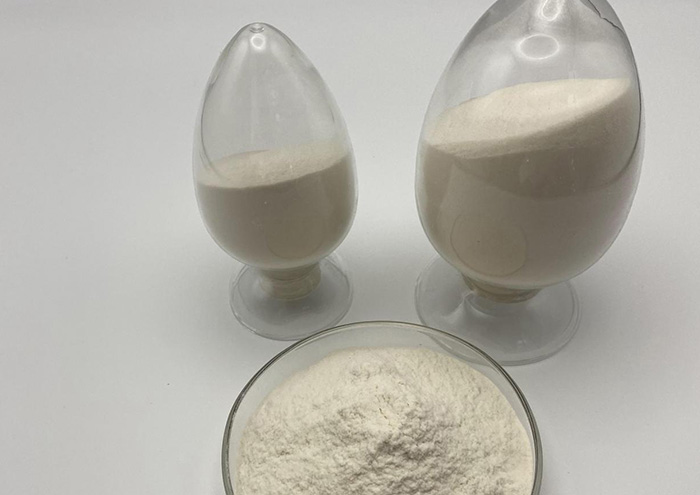
Hydroxyethyl Cellulose (HEC) is a non-ionic, water-soluble polymer derived from cellulose through chemical modification.
It is widely used as a thickener, stabilizer, binder, and film-forming agent in various industries due to its excellent rheological properties, biocompatibility, and chemical stability.
HEC is synthesized by reacting alkali cellulose with ethylene oxide, resulting in hydroxyethyl substitution on the cellulose backbone.
The degree of substitution (DS) and molar substitution (MS) determine its solubility, viscosity, and performance in different applications.
High Water Retention – Excellent moisture retention in coatings, adhesives, and construction materials.
Pseudoplastic Rheology – Provides shear-thinning behavior, ideal for paints and cosmetics.
Thermal Stability – Stable under high-temperature processing (up to 80°C).
Salt Tolerance – Performs well in high-electrolyte environments (e.g., detergents).
pH Stability – Effective in both acidic (pH 2) and alkaline (pH 12) conditions.
Film Formation – Forms flexible, transparent films in personal care products.
|
Property |
Specification | |
|
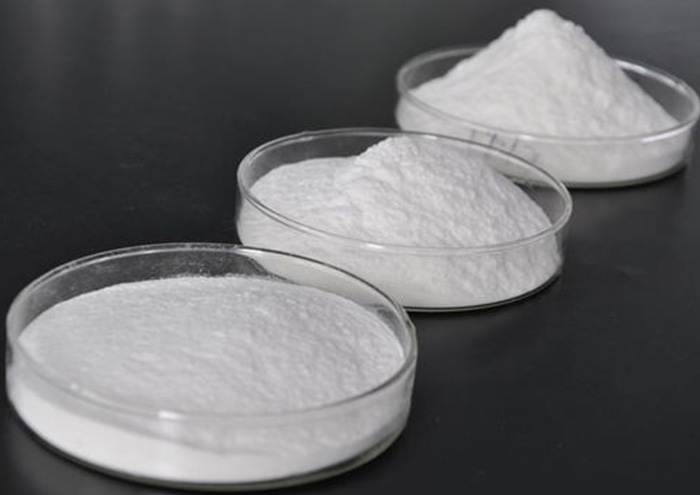
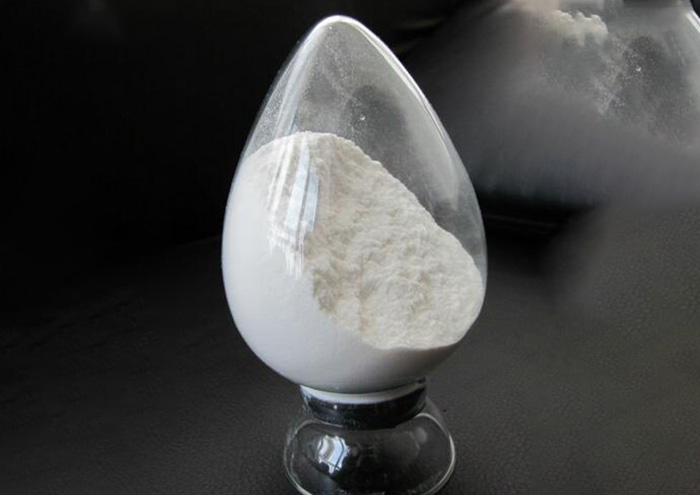
Appearance |
White to off-white free-flowing powder |
|
Solubility |
Soluble in cold & hot water, insoluble in organic solvents | |
|
pH (1% solution) |
6.0 – 8.5 |
|
Viscosity (1% solution, Brookfield, 20°C) |
100 – 200,000 mPa·s (adjustable based on grade) |
|
Moisture Content |
≤ 5% |
|
Ash Content |
≤ 5% |
|
Gelation Temperature |
> 65°C (varies with substitution degree) |

Role: Thickener, anti-sagging agent, and stabilizer.
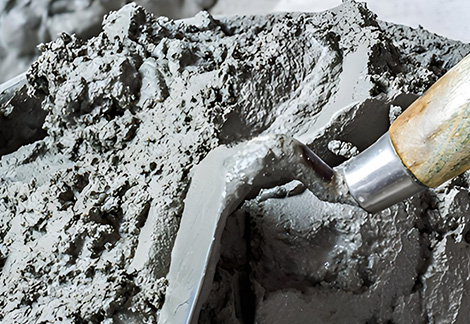
- Tile Adhesives & Cement Mortars: Improves workability and water retention.
- Gypsum-Based Products: Controls setting time and reduces cracking.

- Shampoos, Lotions, Gels: Provides viscosity and smooth texture.
- Toothpaste: Binds water and stabilizes abrasives.

- Tablet Binder: Enhances drug dissolution.
- Ophthalmic Solutions: Used as a lubricant in eye drops.
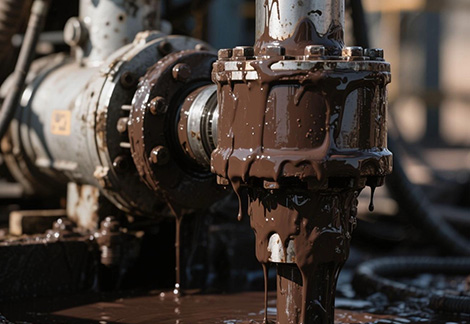
- Drilling Fluids: Acts as a viscosifier and fluid-loss control agent.
Customizable Viscosity Grades – From low (100 mPa·s) to ultra-high (200,000 mPa·s) viscosity options.
High Purity & Consistency – Low ash content, minimal impurities for sensitive applications.
Strict Quality Control – ISO 9001 certified manufacturing with batch-to-batch consistency.
Technical Support – Free formulation assistance and sample testing.
Competitive Pricing – Direct factory supply, no middlemen.

- Bulk shipments save 15-20% on freight
- Inventory management support
- MOQ 100 kg, bulk discounts available
- Flexible payment terms
- Global shipping by sea/air/land
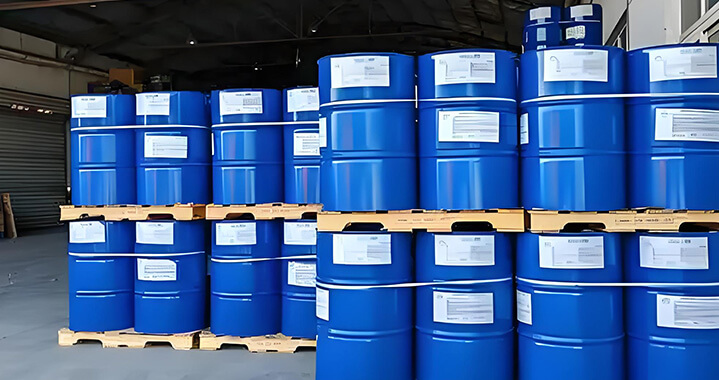
- Multiple packaging options