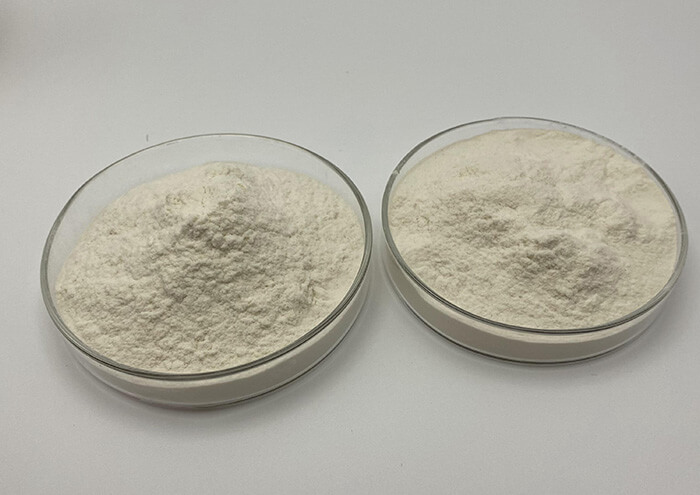
Hydroxypropyl Methylcellulose (HPMC) is a non-ionic cellulose ether derived from highly purified cotton cellulose.
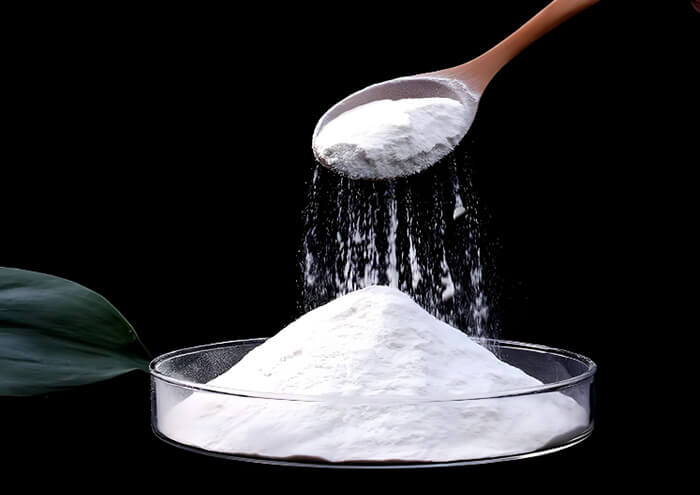
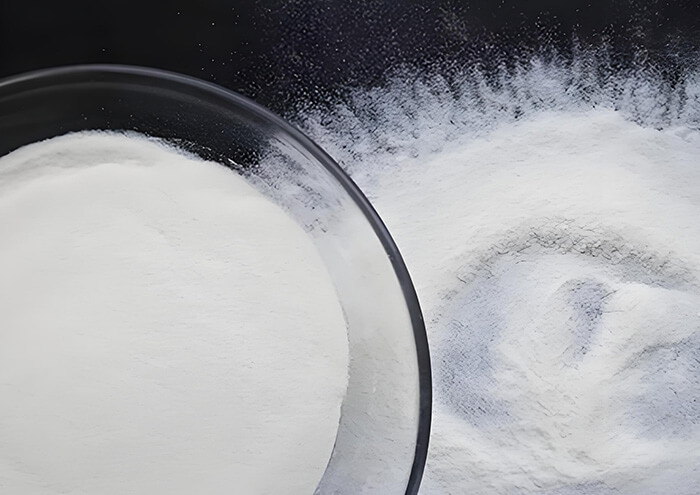
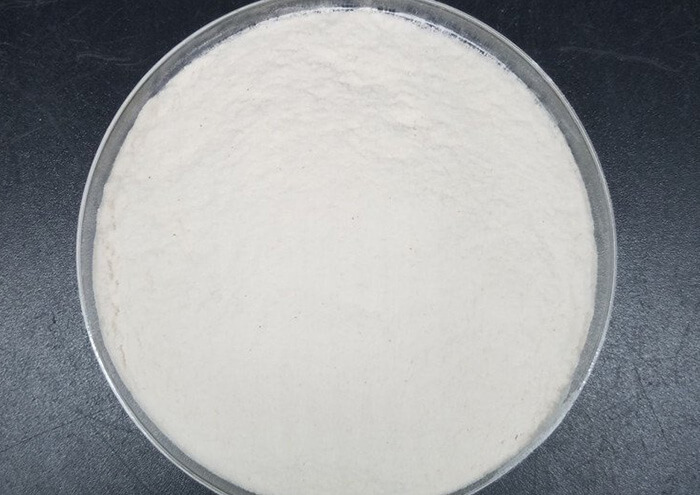
It is a white, odorless, and tasteless powder that dissolves in cold water to form a transparent, viscous solution.
HPMC is widely used in construction, pharmaceuticals, coatings, ceramics, and personal care due to its excellent thickening, water retention, film-forming, and binding properties.
High Water Retention – Prevents premature drying in cement-based applications (93-98% retention).
Thermal Gelation – Reversible gel formation at 50-90°C for controlled release in pharmaceuticals.
pH Stability – Performs consistently in pH 3-12 environments.
Excellent Adhesion – Enhances bond strength in tile adhesives and mortars.
Non-Toxic & Eco-Friendly – REACH, RoHS, and FDA-compliant for food and pharmaceutical use.
|
Parameter |
Specification |
Test Method |
|
Appearance |
White/off-white powder |
Visual |
|
Viscosity (2% solution) |
5 - 200,000 mPa·s |
Brookfield |
|
Moisture Content |
≤5% |
ASTM D1348 |
|
Ash Content |
≤2% |
ISO 247 |
|
Gelation Temp. |
50-90°C (grade-dependent) |
USP/EP |
|
PH (1% solution) |
5.0-8.0 |
ASTM E70 |
E Grade (3-100,000 mPa·s)
- Ideal for: Pharmaceutical formulations, food additives, cosmetic products
- Features: Ultra-pure quality, meets strict food and pharma standards
F Grade (5-200,000 mPa·s)
- Ideal for: Construction materials including tile adhesives, mortars, and plasters
- Features: Excellent water retention, improves workability
K Grade (4,000-200,000 mPa·s)
- Ideal for: Ceramic production, paint formulations, coating applications
- Features: High viscosity stability, superior binding properties
Specialty Low-Temperature Grade (50-15,000 mPa·s)
- Ideal for: Industrial applications requiring cold-water solubility
- Features: Rapid dissolution, stable performance in cold processing
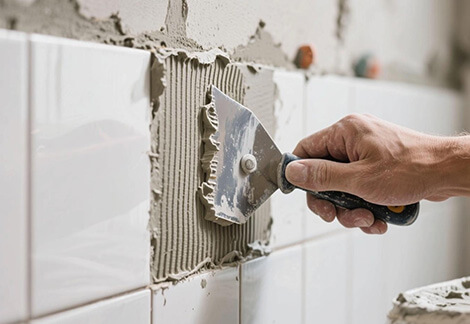
- Tile Adhesives – Improves workability and open time.
- Self-Leveling Mortars – Prevents cracking and enhances flow.
- Gypsum & Plasters – Controls setting time and reduces shrinkage.
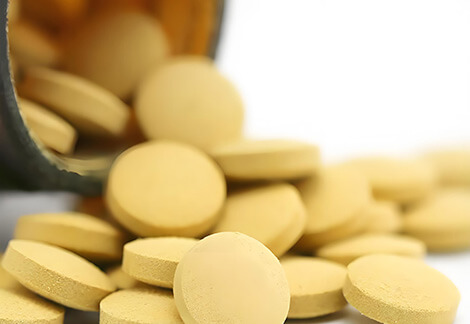
- Tablet Coating – Forms uniform, stable film layers.
- Suspension Agent – Enhances drug stability in liquid formulations.
- Food Thickener – Used in sauces, dairy, and gluten-free products.

- Water-Based Paints – Improves viscosity and brushability.
- Printing Inks – Stabilizes pigment dispersion.

- Binder in Ceramics – Enhances green strength before firing.
- PVC Suspension Agent – Controls particle size in polymerization.
High Purity & Consistency – Low ash content (<1.5%) for superior performance.
Custom Solutions – Tailored viscosity, gelation temp, and solubility for your needs.
Global Supply – Bulk packaging (25kg/bag) with fast logistics.
Technical Support – Expert guidance on formulation and application.

- Bulk shipments save 15-20% on freight
- Inventory management support
- MOQ 100 kg, bulk discounts available
- Flexible payment terms
- Global shipping by sea/air/land
- Multiple packaging options